
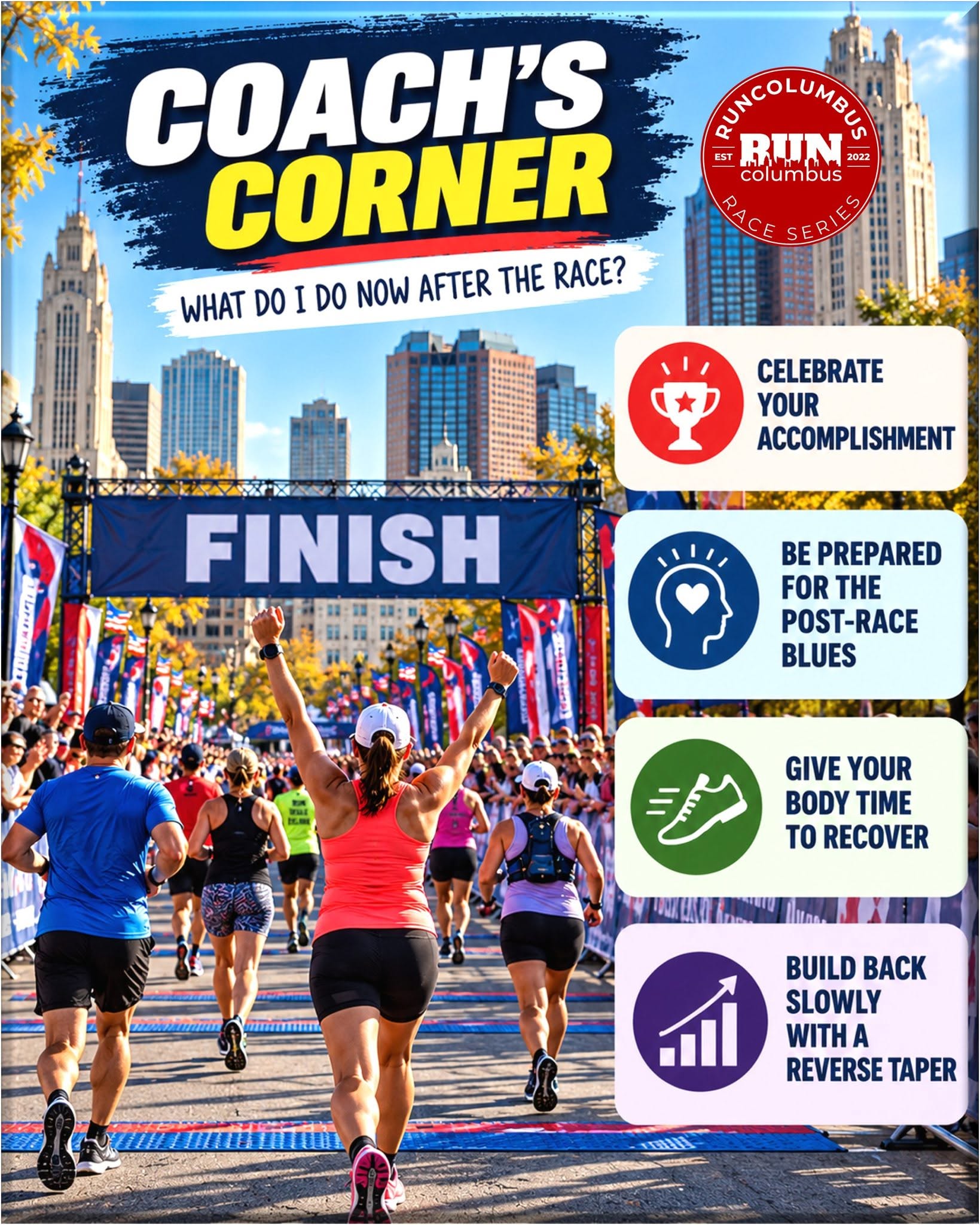
After four months of dedicated training, preparation, and sacrifice, you’ve finally crossed the finish line! Whether you achieved your goal, exceeded your expectations, or had a day that didn’t quite go as planned, take a moment to appreciate everything it took to get there. It’s remarkable when you think about it. We spend months preparing for an event that ultimately comes down to how we feel on one particular morning, with weather, course conditions, and countless other factors beyond our control influencing the outcome. Even the best preparation can’t guarantee the perfect race day. If things didn’t go as planned, give yourself some grace. One race doesn’t erase the fitness you’ve developed, the discipline you’ve demonstrated, or the progress you’ve made. Every race offers lessons, whether about pacing, fueling, hydration, preparation, or simply managing the mental challenges of endurance events. Take time to reflect on what worked, what didn’t, and what you might do differently next time. Most importantly, celebrate the journey, not just the result. The accomplishment is much bigger than the number on the finish clock.
Something that often catches runners and walkers by surprise is the emotional letdown that can follow a major race. The post-marathon blues are real, and there are both physiological and psychological reasons behind them. For months, you’ve had a structured routine, a clear goal, and regular physical activity that helped regulate your mood through the release of endorphins and other neurotransmitters. Suddenly, that routine comes to a halt, and the changes in activity can influence how you feel. Beyond the physiological changes, you’ve also temporarily lost an important outlet for managing everyday stress. Add in the fact that the excitement, anticipation, and purpose that accompanied your training have suddenly passed, and it’s not unusual to feel a little flat, restless, irritable, or even sad. You might find yourself wondering what to do with all that extra time! Recognize that this adjustment is a natural part of the post-race experience. Stay connected with your running and walking community, enjoy some of the activities that took a back seat during training, and give yourself permission to decompress. Just as your body needs time to recover, your mind needs time to adjust to life after the finish line.
Of course, there’s also the physical recovery, and this is where patience becomes especially important. The demands of a marathon or half marathon create considerable muscular stress and microscopic tissue damage that require time, nutrition, and rest to repair. Delayed Onset Muscle Soreness (DOMS) is real, and you may actually feel worse two or three days after the race than you did immediately afterward. Gentle movement can help, and easy walking promotes circulation while helping relieve stiffness without adding significant stress to recovering muscles. Here’s a practical tip for those especially sore quadriceps: walking backward down stairs, carefully and while holding the handrail, can sometimes make the descent a little more comfortable. As for knowing when to start running again, I’ve heard a simple guideline that I really like: don’t attempt your first run until you can sit down and stand back up from the toilet without pain! It’s not a perfect measure of complete recovery, but it’s a useful reminder that basic movements should feel comfortable before you consider running. Once you’re ready, think about following your final taper weeks in reverse, gradually rebuilding your frequency and mileage rather than jumping right back into your previous training volume. Let your recovery guide the progression rather than forcing yourself onto a schedule. Remember, patience isn’t just a virtue during recovery, it’s a necessity. Returning too quickly can compound the damage and set back your progress rather than build upon it. You’ve spent months developing your fitness, and taking the time to recover properly is how you protect that investment and prepare yourself for whatever adventure comes next.
Dr. Chris Taylor, PhD, RDN, LD, FAND, RRCA Level I Coach is a running coach, registered dietitian, and nutrition researcher at The Ohio State University. He serves as the lead coach for the Columbus Westside Running Club, supporting runners of all abilities through evidence-based training and practical nutrition guidance. An active participant in the RUNColumbus Race Series, Chris brings a unique blend of academic expertise, coaching insight, and community engagement to every mile.