
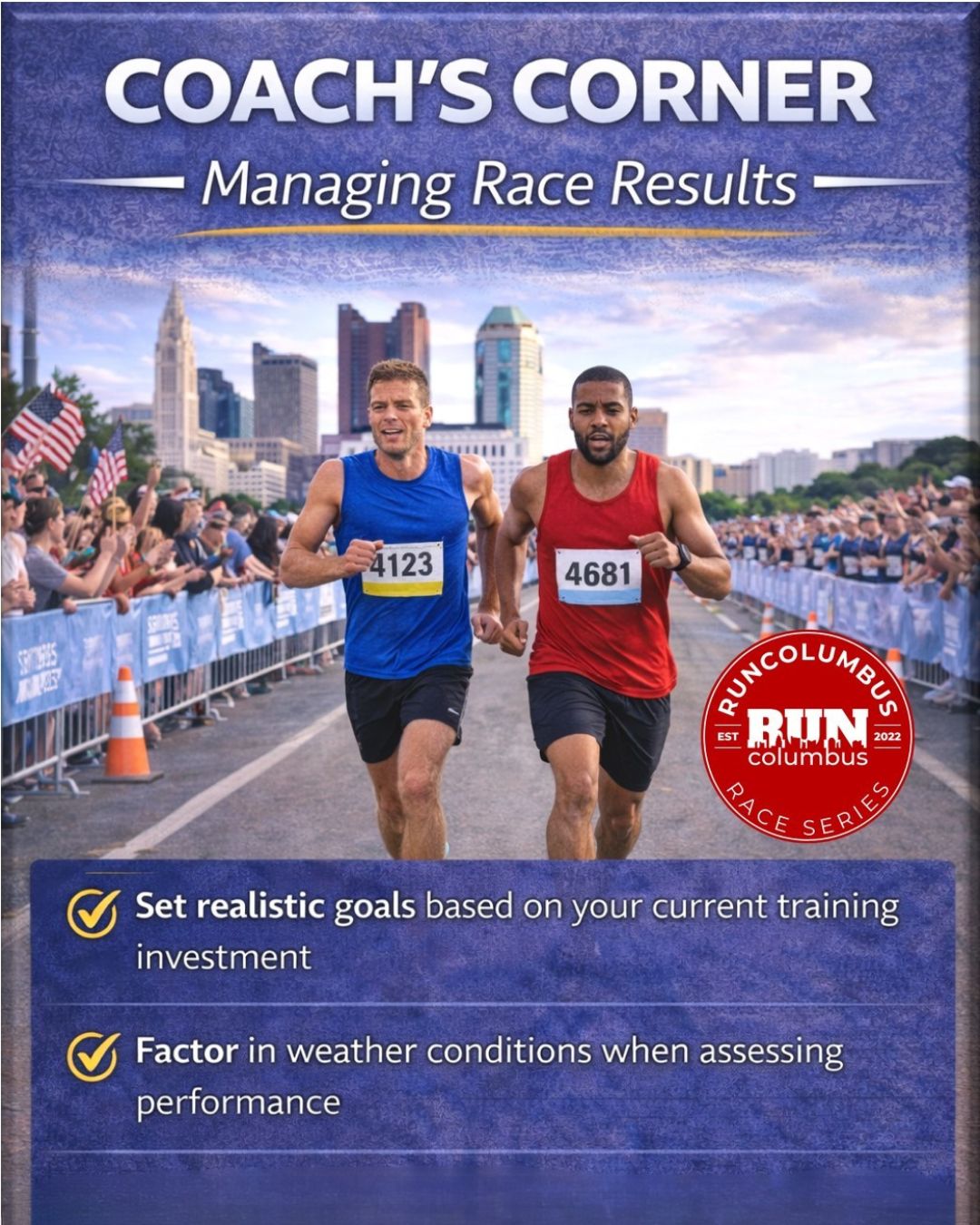
Race-day outcomes are influenced by many factors, but the foundation is always the training that comes before. Without consistent preparation, we place ourselves outside the range of reaching our true potential. Setting realistic goals based on your current fitness and the work you actually put in is an important first step. Many of us have had training cycles in which work, family, or other life responsibilities cut into our mileage and consistency. Yet somehow by race morning, it is easy to forget that reality and convince ourselves that a PR might still magically appear. After all, two miles in and everything feels great. Managing expectations early helps keep race results in perspective and prevents unnecessary disappointment later.
Even when the training has been solid, external conditions play a major role in how a race unfolds. The weather is often the biggest variable. Temperatures between about 40 and 55 degrees tend to be ideal for endurance events like the marathon. As temperatures rise, performance generally declines. Energy production during exercise is inefficient, meaning that a large portion of the energy released from fuel is converted to heat. On warm days, especially when the humidity or dew point is high, the body struggles to dissipate that heat effectively. Add full sun, wind, or rain to the equation, and suddenly the effort required to hold a planned pace increases significantly.
Another important factor is where you are in your running journey. Early in your “career,” improvements often come quickly as your fitness grows. Those early personal records can make it easy to expect every race to produce another big leap forward. Over time, progress naturally becomes smaller and more incremental. That shift can make matching a previous performance or setting a modest PR feel less satisfying, even though it may represent strong effort. The reality is that the more races you run, the greater the chance you will experience an off day. Competitors will have good days and bad days, too. Focusing too much on how you stack up against others can overshadow what might still be an impressive performance for you.
Dr. Chris Taylor, PhD, RDN, LD, FAND, RRCA Level I Coach is a running coach, registered dietitian, and nutrition researcher at The Ohio State University. He serves as the lead coach for the Columbus Westside Running Club, supporting runners of all abilities through evidence-based training and practical nutrition guidance. An active participant in the RUNColumbus Race Series, Chris brings a unique blend of academic expertise, coaching insight, and community engagement to every mile.