
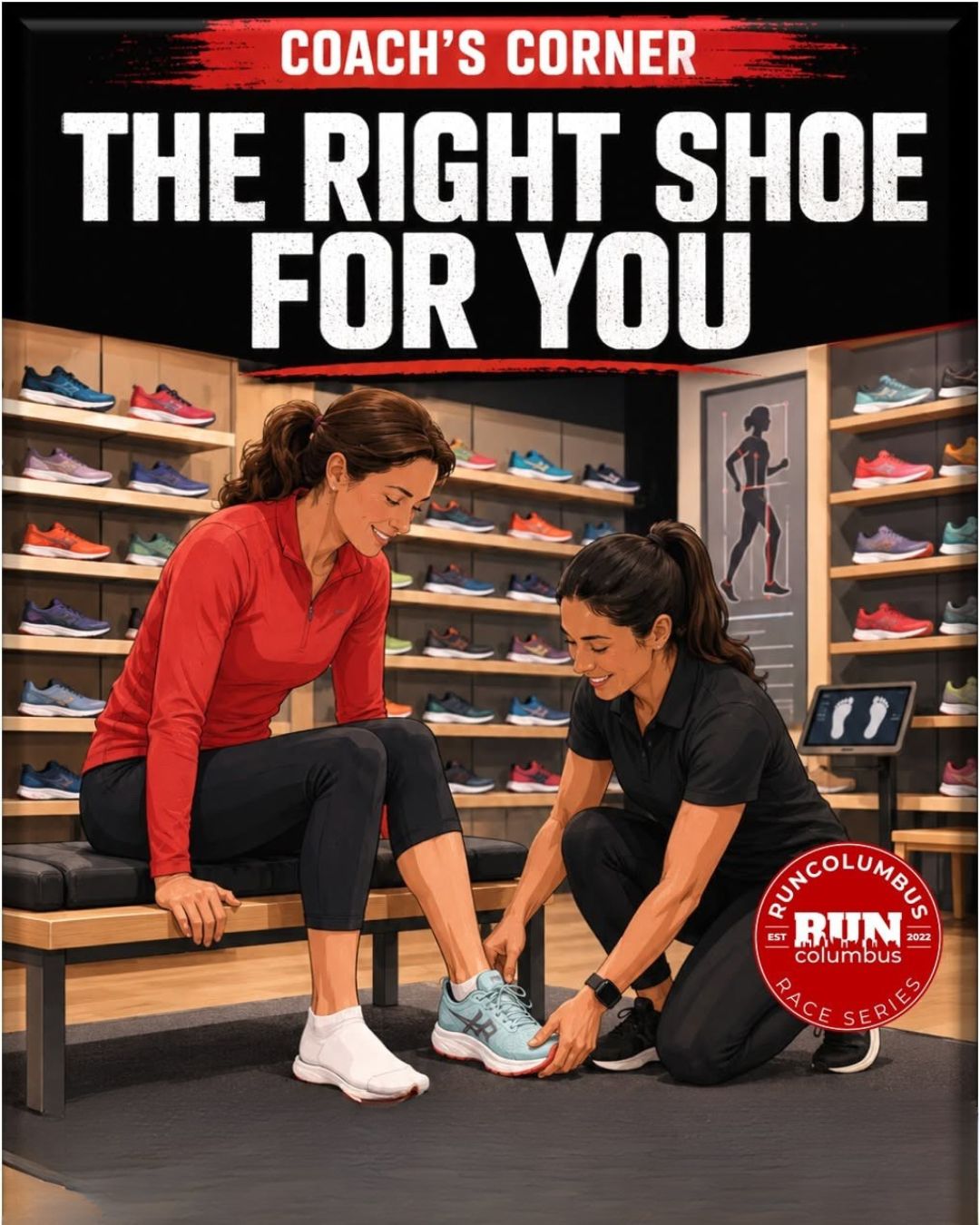
One of the most common questions among runners and walkers is, “What is THE best shoe?” The honest answer is simple: the best shoe is the one that works best for you. We each have different movement patterns, foot shapes, training goals, comfort preferences, and support needs. While color can help you choose between two equally suitable options, it should not drive the decision. A specialty running store can evaluate your fit and movement, explain your options, and let you compare several shoes. With a constant stream of advertising for the newest models and flashiest technology, it is crucial to determine whether it is the best for ME.
Running shoes generally fall into two broad categories: neutral and stability. Neutral shoes allow the foot to move naturally without adding substantial guidance, while stability shoes use features such as firmer foam, sidewalls, guide rails, or a wider platform to manage excess movement. A shoe that does not complement your natural mechanics may feel awkward, disrupt your stride, or contribute to discomfort and joint pain. Brands create neutrality and support differently, so this is why two stability shoes may feel nothing alike. Shoes also vary in cushioning, weight, flexibility, and responsiveness. A softer, more cushioned model may feel comfortable for everyday mileage or longer distances, while a lighter and more responsive shoe may be preferred for faster workouts or shorter races. This might show up as soreness from prolonged pounding when wearing a lighter-weight shoe for long runs or walks.
Once you understand which category, fit, and level of cushioning work for you, you can explore comparable models across different brands. For example, New Balance identifies the X60S as stability shoes, while the X80S are neutral models, with higher model numbers indicating more cushioning. Brooks commonly uses “GTS” to identify shoes featuring its structured GuideRails support system. Other brands may not make these differences as obvious, which is another reason knowledgeable guidance can be valuable. Even within the same category, shoes are constructed differently, so try several options and focus on how they feel as you move. Remember that each new version may change the fit or ride of a familiar model. The shoe you loved last year may evolve, but your priority remains the same: finding the shoe that works for you, not simply buying the shoe receiving the most attention.
Dr. Chris Taylor, PhD, RDN, LD, FAND, RRCA Level I Coach is a running coach, registered dietitian, and nutrition researcher at The Ohio State University. He serves as the lead coach for the Columbus Westside Running Club, supporting runners of all abilities through evidence-based training and practical nutrition guidance. An active participant in the RUNColumbus Race Series, Chris brings a unique blend of academic expertise, coaching insight, and community engagement to every mile.